Everyone, regardless of gender, cycles through physical and energetic shifts. While men experience a hormonal cycle within 24 hours, women’s cycles are approximately 28 days. Recognizing these differences helps us see that neither experience is linear; we each transition through phases, and both can impact how we feel and move in practice.
When students ask if they should practice during their period, my response is, “It depends on how you feel.” Every teacher, regardless of gender, should be able to answer this thoughtfully, encouraging students to listen to their bodies. It’s essential to shift from a prescriptive view of practice to one that honors individual experience. No teacher should act as a dictator, mandating a one-size-fits-all approach, especially around such a personal topic.
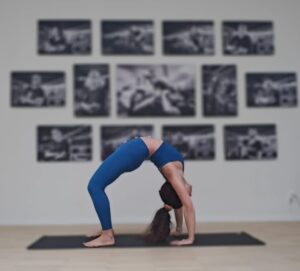
In some traditional yoga circles, menstruating students are encouraged to take a “lady’s holiday”—a term that implies total rest. But let’s be honest: it’s your body, your period, and no one else should dictate how you approach it. I find that practicing during my period can actually help alleviate cramps and discomfort. Ashtanga, in particular, has deepened my awareness of the subtle shifts in my body, allowing me to move with my cycle rather than against it. Some days, I feel energized and enjoy a light practice; other days, resting feels best. Both are valid.
There’s also an important energetic component to consider. Menstruation is an apanic process, governed by downward-moving energy. This natural flow can be interrupted by engaging mula and uddiyana bandhas, which involve drawing energy upward. During heavy days, it’s wise to approach bandhas with caution or avoid them, focusing on gentler asanas that honor this downward energy. It’s a mindful adaptation, not a restriction, that respects the body’s natural rhythms.
Ultimately, each person should experiment to find what works best for them. While it’s beneficial to consider the wisdom of tradition, we don’t need to follow it blindly. Our own intuition is a powerful guide, helping us navigate what feels supportive. If physical movement relieves your discomfort, go for it; if curling up in bed feels right, honor that. The most empowering approach is the one that resonates with your body and experience.
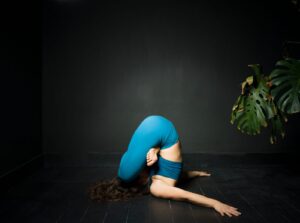
Personally, I often feel the physical effects before my period begins—swelling, breast tenderness, and lower back pain. Some months, taking a day off before my cycle even starts feels best. Other months, a gentle practice feels soothing. Each cycle is different; each response can be, too. And yes, it’s safe to do inversions during menstruation if that’s what feels natural to you.
With this in mind, my final message is simple: it’s your body, your choice. Approach each cycle with openness, respond to how you feel each day, and make space for your own needs. For teachers, a reminder: avoid imposing rigid rules onto your students. The most powerful practice is one that encourages each person to tune into themselves and respond authentically.